If a Driver Seriously Injures or Kills Someone, Are They Automatically Tested for Drugs and Alcohol?
Follow us on
social media!
If a driver seriously injured or killed a cyclist, pedestrian, or another motorist, would police automatically test them for possible impairment?
Most Americans assume the answer is yes. After all, determining whether a driver was impaired seems like one of the first steps investigators would take after a fatal or life-changing crash.
Despite what many people believe, there is no federal law requiring drivers to automatically submit to drug or alcohol testing after causing a crash that results in serious injury or death. Instead, the decision to test often depends on state law, the circumstances of the crash, and whether law enforcement has reason to suspect impairment.
This issue gained national attention in 2026 after Colorado passed Magnus' Law, a new law requiring officers to offer a voluntary breath test to drivers involved in crashes resulting in death or suspected serious bodily injury.
Why Aren't Drivers Automatically Tested for Impairment After a Serious Crash?
The answer largely comes down to constitutional protections.
In most cases, law enforcement cannot automatically require a driver to submit to a breath, blood, or drug test simply because the driver was involved in a serious crash. Depending on the circumstances, officers may need consent, probable cause, a warrant, or authority granted under state law.
Many states also have "implied consent" laws, which generally provide that drivers agree to chemical testing under certain circumstances as a condition of operating a motor vehicle. However, those laws vary significantly from state to state and do not always require testing after every serious injury or fatal crash.
As a result, whether a driver is tested after a crash often depends on the state where the crash occurred and the evidence investigators find at the scene.
How Do States Handle Serious Injury and Fatal Crashes?
There is no national standard for post-crash drug and alcohol testing. Some states give officers broader authority to request testing after fatal or serious injury crashes, while others rely primarily on traditional DUI investigations and probable cause.
One family in Colorado found themselves asking that very question after the death of 17-year-old cyclist Magnus White.
How One Family Changed Colorado's Crash Investigation Process
On July 29, 2023, 17-year-old cyclist Magnus White was training near his home in Boulder, Colorado. Riding on the shoulder of a designated bicycle route, Magnus was struck and killed by a driver.
Like many families, Michael and Jill White assumed law enforcement would investigate every possible factor that may have contributed to the crash, including whether the driver was impaired by drugs or alcohol.
They later learned that the driver was never offered an alcohol breath screening test.
What made the situation even more difficult was what emerged during the criminal proceedings. According to testimony presented at trial, the driver had allegedly stayed up all night drinking whiskey, using cocaine, and taking prescription medications that warned against driving. A friend reportedly urged the driver not to get behind the wheel that morning.
"The only person tested for drugs or alcohol that afternoon was Magnus," Michael White later wrote.
For the White family, the discovery was shocking. Like most Americans, they assumed impairment testing was a routine part of every fatal crash investigation. Instead, they spent nearly 20 months waiting for answers that could have begun with a simple question at the crash scene.
Their experience exposed a gap in Colorado's crash investigation process and ultimately sparked a bipartisan effort to change the law.
What Is Magnus' Law?
On June 4, 2026, Colorado Governor Jared Polis signed Senate Bill 26-132, better known as Magnus' Law.
The law requires law enforcement officers to offer a voluntary preliminary breath test to drivers involved in crashes resulting in death or suspected serious bodily injury. Drivers must be advised that they have the right to refuse the test.
Rather than creating a new crime or lowering DUI thresholds, Magnus' Law establishes a consistent statewide investigative protocol. Officers must offer the test and document whether the driver consented, refused, or the test could not be administered due to equipment issues or other circumstances beyond the officer's control.
Supporters argue the law is not about presuming guilt. It is about ensuring investigators ask an important question while the evidence is still available.
As Michael White explained during the bill signing ceremony:
"Evidence at a crash scene is the most fragile thing in the world. It exists for a moment, and then it is gone. If you do not capture the truth at the scene, you may never capture it at all."
The bill received overwhelming bipartisan support before being signed into law.
Why Is the Test Voluntary?
One of the most common questions about Magnus' Law is why lawmakers chose to make the breath test voluntary rather than mandatory.
The answer largely comes down to constitutional protections and Colorado law. Magnus' Law was designed to ensure officers consistently offer the test and document the outcome. Drivers may consent or refuse, but the question can no longer be overlooked.
Why Aren't Drug Tests Offered Like Breathalyzers?
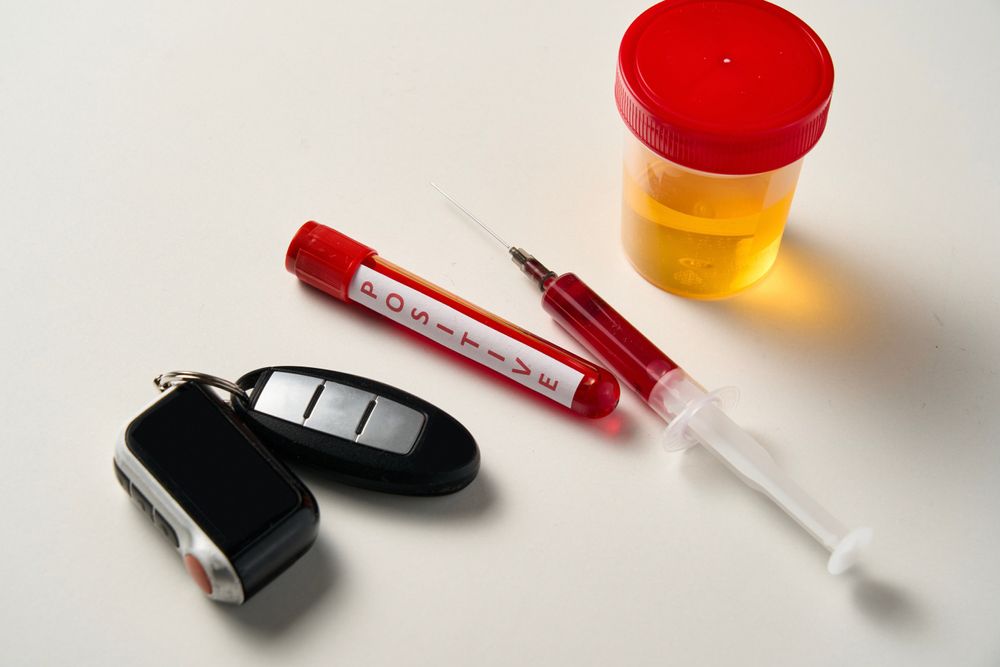
Alcohol impairment can be measured quickly at the roadside using a portable breathalyzer that provides immediate results. Drug impairment is much more difficult to evaluate because there is no widely accepted roadside test that can reliably determine whether a driver is currently impaired by drugs.
A urine test generally shows whether a person used a drug in the recent past, not whether they were impaired at the time of the crash. In serious DUI investigations, blood testing is typically more useful because it can measure the presence of drugs in the bloodstream closer to the time of the collision.
Why Doesn't Magnus' Law Include Offering a Drug Test?
A blood draw is fundamentally different from a breath test. It intrudes on a person's body, requires medical personnel and laboratory analysis, and raises greater Fourth Amendment concerns.
The U.S. Supreme Court has repeatedly recognized that blood draws are significantly more intrusive than breath tests. In Birchfield v. North Dakota (2016), the Court held that warrantless breath tests and warrantless blood tests are not constitutionally equivalent. As a result, Magnus' Law focuses on voluntary breath testing while leaving existing procedures for drug-impaired driving investigations unchanged.
Are Commercial Truck Drivers Treated Differently Than Everyday Drivers After a Crash?
Yes. Commercial truck drivers are subject to federal drug and alcohol testing regulations that are generally much stricter than those applied to ordinary motorists.
Under Federal Motor Carrier Safety Administration (FMCSA) rules, trucking companies must conduct post-accident drug and alcohol testing following certain crashes involving commercial vehicles. Commercial drivers are also subject to pre-employment testing, random testing throughout the year, reasonable suspicion testing, and return-to-duty testing after violations.
As a result, a commercial truck driver involved in a fatal crash is often more likely to undergo drug and alcohol testing than the driver of a passenger vehicle involved in a similar collision.
So why can't the same rules be applied to everyone?
Commercial drivers hold a special license and operate large vehicles as part of their employment. Courts have generally allowed additional safety regulations for commercial drivers because of the increased risks associated with operating heavy commercial vehicles on public roads.
Why Offering Driver Impairment Testing After a Crash Matters
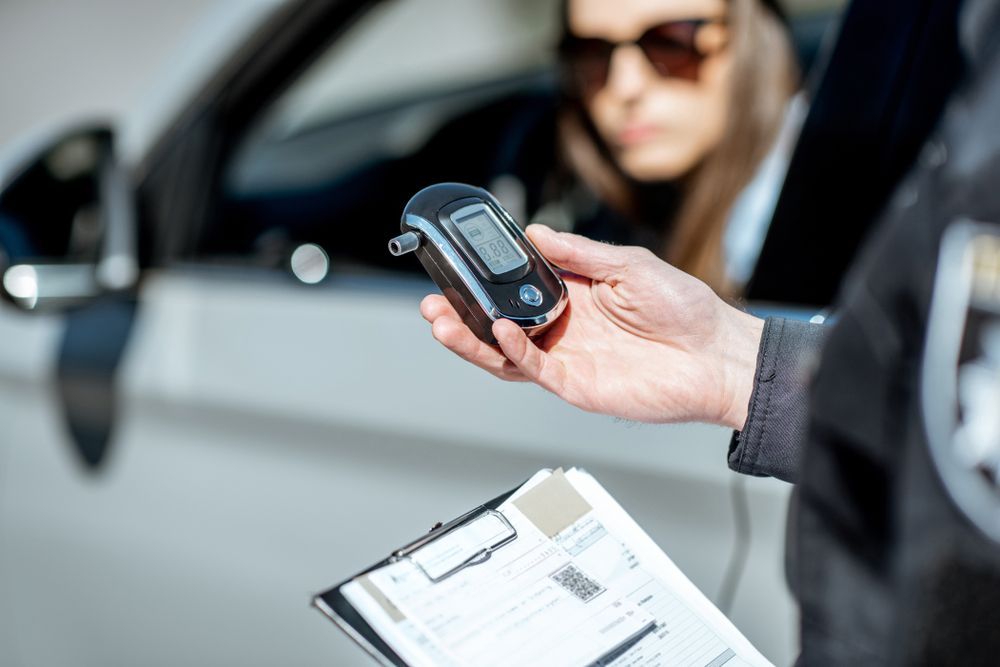
Impaired driving remains one of the leading causes of deaths and serious injuries on American roads. Yet in many states, there is no requirement that law enforcement offer impairment testing after a fatal or serious injury crash.
Requiring officers to offer impairment testing does not presume guilt. It simply ensures that a potentially important question is asked while evidence is still available. For victims, families, and investigators, the truth starts at the scene.
Balancing Constitutional Rights and Accountability
When a crash results in serious injury or death, one of the most important questions is whether impairment played a role. A consistent process for offering impairment testing helps preserve constitutional rights while giving victims, families, and the public confidence that investigators asked the question and collected all legally available evidence at the scene.
If you would like to see similar legislation in your state, consider contacting your state representatives, local road safety advocacy organizations, or The White Line Foundation.
About The White Line Foundation
Magnus' Law is just one of several road safety initiatives championed by The White Line Foundation, a nonprofit created by Magnus White's family following his death in 2023.
The foundation works to improve road safety through advocacy, public education, legislative reform, and the promotion of life-saving technologies. Its mission is simple: change driver behavior, increase accountability, and make roads safer for everyone.
Learn more about The White Line Foundation and its ongoing work to reduce traffic deaths and serious injuries.
Why Cyclists Choose Bike Legal After a Crash
After a bicycle crash, having the right legal team matters. Bicycle accident cases differ from standard personal injury claims and require an understanding of the laws that affect cyclists.
At Bike Legal, we focus exclusively on representing injured cyclists.
Most importantly, we're cyclists too. We understand the impact a crash can have and are committed to helping injured riders and their families secure the compensation they deserve.
If you've been injured in a bicycle accident, you don't have to handle it alone.
📞 Call 877-BIKE-LEGAL (877-245-3534) for a free consultation.
FAQ's
Do you get drug tested after a car crash?
No, most drivers are not automatically drug tested after every car crash. Whether drug or alcohol testing occurs depends on state law, the severity of the crash, evidence of impairment, driver consent, probable cause, or a court-issued warrant. There is no federal law requiring drug testing after every traffic collision.
Are drivers automatically tested for drugs and alcohol after a fatal accident?
No, drivers are not automatically tested for drugs or alcohol after every fatal accident. Testing requirements vary by state and often depend on whether law enforcement suspects impairment, obtains consent, or secures a warrant. Some states have stricter post-crash testing requirements than others.
What conditions require post-accident alcohol and drug testing?
Post-accident alcohol and drug testing may be required when there is evidence of impairment, a fatality, serious bodily injury, or circumstances that establish probable cause. The specific requirements vary by state and by the type of driver involved.
Do truck drivers get drug tested after an accident?
Yes, commercial truck drivers are subject to federal post-accident drug and alcohol testing requirements. Depending on the circumstances of the crash, trucking companies may be required to test drivers following fatalities, injury crashes, or collisions involving vehicles that must be towed from the scene.
Can police force a driver to take a breath, blood, or drug test after a crash?
Not always. Whether police can require a breath test or blood draw after a crash depends on state law, implied consent laws, probable cause, and whether a warrant is obtained. Drivers generally retain constitutional protections against unreasonable searches and seizures.
What impairment tests are done after a serious car accident?
Investigators may use field sobriety tests, preliminary breath tests, evidentiary breath tests, blood tests, and drug toxicology screens after a serious car accident. The type of testing used depends on the circumstances of the crash and applicable state laws.
What is Magnus' Law?
Magnus' Law (SB26-132) is a Colorado law signed in 2026 that requires law enforcement officers to offer a voluntary breath test to drivers involved in crashes resulting in death or suspected serious bodily injury. Officers must also document whether the driver consented to or refused the test.
Why wasn't the driver who killed Magnus White tested for drugs or alcohol?
Before Magnus' Law was passed, Colorado had no statewide requirement that officers offer a breath test after a fatal crash. As a result, no alcohol breath screening test was offered to the driver involved in the crash that killed 17-year-old cyclist Magnus White. His family's efforts to change that process led to the passage of Magnus' Law in 2026.
Are drivers automatically tested for drugs and alcohol after hitting a cyclist or pedestrian?
No, drivers are not automatically tested for drugs and alcohol after hitting a cyclist or pedestrian in most states. Whether impairment testing occurs typically depends on state law, the severity of the crash, evidence of impairment, driver consent, probable cause, or a court-issued warrant. Even when a cyclist or pedestrian suffers serious injuries or is killed, there is often no automatic requirement that the driver be tested.
Why aren't drug tests offered like breathalyzers after a crash?
Alcohol can be measured quickly at the roadside using a breathalyzer that provides immediate results. Drug impairment is more difficult to assess because there is no widely accepted roadside test that can reliably determine whether a driver is currently impaired by drugs. As a result, officers often rely on blood testing, field sobriety tests, officer observations, and other evidence when investigating suspected drug-impaired driving.
Bike Legal Spoke & Law Blog

California’s Landmark Electric Bicycle Safety Study Reveals Why Regulating E-Bikes Is So Complicated

Ride Protected
Ride Safe, with Bike Legal
At Bike Legal, our mission is to advocate for bicycle safety and to share the road responsibly through education. Our legal team is committed to supporting and representing cyclists across the United States, no matter where you ride or how you ride.