Bike to Work Day 2026: Find Events Near You & Start Commuting by Bike or E-Bike
Bike to Work Day 2026 is right around the corner, and it’s the perfect opportunity to rethink how you commute to work. Whether you’re a seasoned cyclist or someone who hasn’t been on a bike in years, this nationwide event encourages people to swap car trips for a healthier, more efficient commute.
Held during National Bike Month, Bike to Work Day, also known as Bike Anywhere Day, brings communities across the U.S. together through local bicycle events, group rides, pit stops, and commuter challenges designed to make cycling more accessible for everyone. It shows how riding a bike can become a practical part of your everyday routine.
In this guide, you’ll find:
- Bike to Work Day 2026 dates and what to expect
- Local events happening across the country
- How to start commuting by regular bike or an e-bike
- Safety tips and laws every cyclist should know
If you’ve ever thought about biking to work, even just once, this is the best time to start.
What Is Bike to Work Day, and When Is It in 2026?
Bike to Work Day 2026 is a nationwide event that encourages people to commute by bicycle or e-bike rather than by driving. It’s designed to introduce more people to bike commuting while promoting safer streets, better infrastructure, and increased awareness of cyclists on the road.
In 2026, Bike to Work Day falls on Friday, May 15, during Bike to Work Week (May 11–17), which is part of National Bike Month celebrated throughout May.
While Bike to Work and Bike to School Days are the main events, the entire week and month offer opportunities to participate. Many cities host:
- Morning “pit stops” with coffee, snacks, and giveaways
- Group rides for commuters of all experience levels
- Bike safety classes and maintenance workshops
- Community events that support and encourage cycling
A Brief History of Bike to Work Day
Bike to Work Day is part of a larger movement that began in 1956, when the League of American Bicyclists established National Bike Month to promote cycling across the United States.
Over time, Bike to Work Day became one of the most recognized events within that month, shifting the focus from recreational riding to everyday transportation. Today, it’s celebrated in cities across the country and around the world to encourage people to try commuting by bike, often for the first time.
What starts as a one-day event often leads to something bigger: a new routine, a new perspective on transportation, and a growing awareness that bicycles belong on the road just as much as cars.
Why Bike to Work Day Matters
Bike to Work Day helps people view cycling as a legitimate and safe form of transportation.
A Nationally Supported Transportation Movement
Bike to Work Day is promoted nationwide by cities, transportation agencies, and advocacy groups working to expand safer, more sustainable transportation options. Increased participation also helps drive demand for safer infrastructure, such as bike lanes and improved road design.
Raises Awareness and Reinforces Cyclists’ Rights
More riders on the road increases visibility and helps drivers recognize that bicycles are legally considered vehicles with the same rights as cars.
Encourages Everyday Commuting and Safer Streets
For many, this is their first bike commute and a simple way to see how practical biking or using an e-bike can be.
Getting Started: How to Commute by Bike or E-Bike
You don’t need to be an experienced cyclist to participate in Bike to Work Day. With a little planning, most people can start commuting by bike or e-bike right away.
Start Small and Keep It Simple
You don’t have to ride your entire commute. Try:
- A short ride to start (even 1–3 miles)
- Combining biking with public transit
- Ride one direction and take public transit the other, then switch it up the next day.
What You Need for Bike to Work Day
Essential Items
You don’t need much to get started, but having the basics is essential for your safety and may be required by law.
- A reliable bike or e-bike in good working condition
- A properly fitted bicycle helmet
- A front white light and rear red light (use them even during the day)
- A bell or horn to alert pedestrians and other riders
- Bright or reflective clothing for visibility
- A basic repair kit (spare tube, tire levers, pump)
Before your first ride, consider having your local bike shop perform a quick safety check to ensure everything is working properly.
Optional, but Helpful
These bicycle accessories aren’t required, but they can improve safety, awareness, and overall ride experience:
- Water bottle and mount so you can stay hydrated
- A lock to secure your bike and prevent theft when parked
- A mirror to monitor traffic behind you
- A handlebar or seatpost camera for recording rides and documenting incidents
- A rear radar system to detect approaching vehicles
- A
bike computer to track distance, speed, and routes
Know the Rules of the Road
In the U.S., bicycles are legally considered vehicles. That means it is your responsibility to know and obey local traffic and bicycle laws.
- Ride in the same direction as traffic
- Ride as far to the right as practicable
- Obey traffic signals and signs
- Use hand signals when turning
- Yield to
pedestrians
Some states allow laws like the “Idaho Stop or Rolling Stop,” but rules vary, so it’s important to understand your local laws before riding.
Plan a Safe Route for Your Bike to Work Commute
Taking some time to plan the safest route possible may be the difference between wanting to commute more frequently and a regrettable experience:
- Choose protected bike lanes, paths, or low-traffic streets
- Avoid high-speed or congested roads when possible
- Test your route before commuting during peak hours
Apps like Google Maps, Strava, Ride with GPS, and MapMyRide can help you identify bike-friendly routes.
Protect Yourself with UM/UIM Insurance
Our #1 Recommendation for Every Cyclist!!
No one ever wants to think about the unthinkable, but crashes happen and are often caused by negligent drivers.
If you ride on the road, Uninsured/Underinsured Motorist (UM/UIM) coverage is essential. It can protect you if you’re hit by a driver with little or no insurance. Without it, you could be responsible for your own medical bills and damages.
👉 Call your auto insurance carrier NOW and make sure you add UM/UIM coverage.
What If I Work From Home? Can I Still Participate in Bike to Work Day?
You can still participate in Bike to Work Day even if you don’t commute to an office.
Use it as an opportunity to replace a short car trip, like a coffee run or errands, with a bike ride, or take a ride before or after work. You can also join a local cycling event or group ride.
Bike to Work Day 2026: Events Across the U.S.
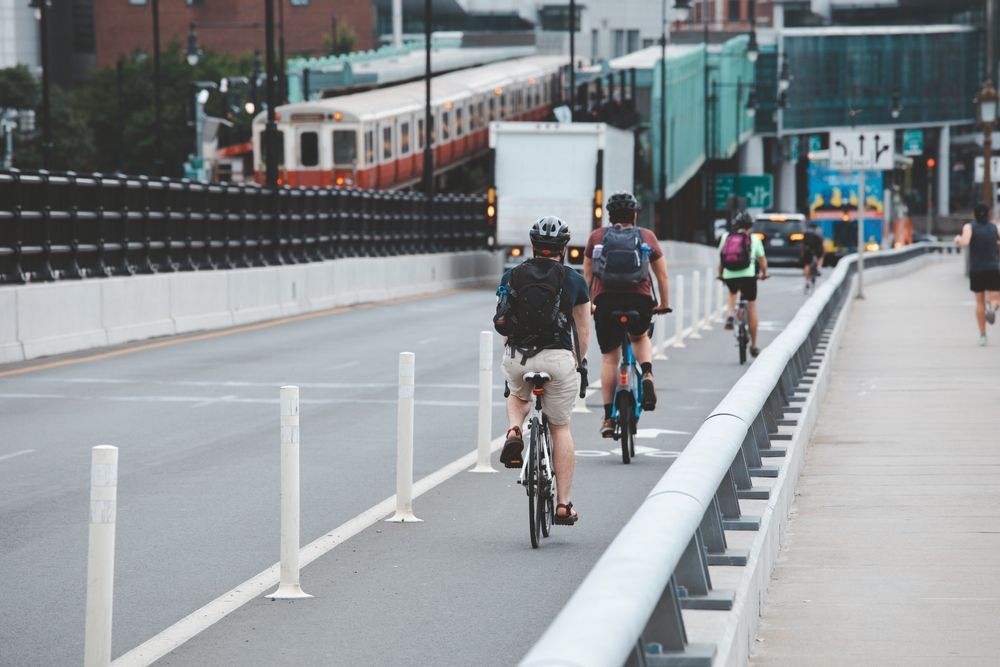
Bike to Work Day is celebrated nationwide, but many towns and cities put their own spin on it. From large-scale commuter events to local group rides and community pit stops, these events are designed to make biking more accessible and community-focused.
Here are some of the standout events happening across the country in 2026:
Austin, Texas Bike to Work Day
Austin’s Bike Month ATX offers one of the most comprehensive Bike to Work Day experiences in the country.
Riders can stop at dozens of morning Fueling Stations across the city to grab free breakfast tacos, coffee, snacks, and even complimentary bike tune-ups. The event also includes a central gathering at City Hall with local leaders, followed by an evening happy hour and benefit concert.
Free CapMetro Bikeshare passes are available, and riders can combine biking with public transit, making this one of the most accessible events for first-time commuters.
Portland, Oregon Bike to Work Day
Portland’s Bike Month focuses on building long-term commuting habits through incentives, tools, and education.
Riders can participate in the Portland Metro Regional Bike Month Challenge by logging bike trips throughout May for a chance to win prizes, competing individually or as part of a team. The region also supports commuters with tools like Get There Connect, which helps riders plan routes, combine biking with transit, and track savings and environmental impact.
With additional access to bike education resources and legal guides for both bicycles and e-bikes, Portland makes it easier for riders of all experience levels to get started and ride with confidence.
San Diego, California Bike to Work Day
San Diego’s event has evolved into Bike Anywhere Day, encouraging people to ride not just to work, but anywhere.
With more than 100 pit stops across the region, participants can pick up a free commemorative t-shirt and enjoy snacks and support along the way. Registered riders are also entered to win e-bikes, making it one of the most engaging events in the country.
Orange County, California Bike to Work Day
Orange County’s Bike Month events focus on participation and safety.
Cyclists can join a 3-mile Bike Rally, enjoy community activities, and enter to win high-value e-bike giveaways. The region is also emphasizing e-bike safety, reflecting the growing popularity of electric bikes for commuting.
San Francisco Bay Area, California Bike to Work Day
The Bay Area hosts one of the largest Bike to Work Day events in the U.S., with nearly 100,000 participants each year.
Part of “Bike to Wherever Days,” the event includes energizer stations, route support, and community activities throughout the region, helping riders of all experience levels participate.
Phoenix, Arizona Bike to Work Day
Phoenix’s Bike to Work Day highlights the city’s growing investment in protected bike lanes and safer infrastructure.
The event features a 3-mile group ride through downtown, bringing together community members, local organizations, and city leadership to promote safer, more connected streets.
Dallas, Texas Bike to Work Day
Dallas encourages riders to combine biking with DART public transit.
Cyclists can bring their bikes on buses and trains, creating a flexible commuting option for longer distances and helping reduce reliance on cars.
Seattle, Washington Bike to Work Day
Seattle celebrates Bike Everywhere Month, with Bike Everywhere Day as the mid-month highlight.
Community members host “Celebration Stations” across the region, offering snacks, support, and encouragement. Riders can also participate in a month-long challenge, logging miles individually or as part of a team.
Chicago, Illinois Bike to Work Day
Chicago’s Bike Month events focus on commuter support through pop-up Celebration Stations.
Cyclists can stop during their ride to grab snacks, connect with other riders, and participate in the Bike Commuter Challenge throughout the month.
Boise, Idaho Bike to Work Day
Boise turns Bike to Work Day into an all-day community event.
Morning stations offer coffee, snacks, and giveaways, while afternoon “Bike from Work” gatherings give riders a chance to connect and unwind after their commute.
New York City Bike to Work Day
New York City hosts community-driven Bike to Work Day events with pit stops, refreshments, and local support.
These events are designed to make first-time riders feel welcome while building a stronger cycling culture in one of the country's busiest cities.
Charleston, South Carolina Bike to Work Day
Charleston combines Bike to Work Day with advocacy and policy.
The event includes a group ride with city leaders, followed by a Mobility Month proclamation focused on improving bike and pedestrian infrastructure across the region.
What to Do If You’re Involved in a Bicycle Accident While Commuting to Work
If you’re involved in a bicycle accident, your safety is the priority.
Get to a safe location, call 911, and seek medical attention, even if injuries seem minor.
Document the scene with photos, exchange information with the driver, and preserve your bike and gear as evidence.
Avoid discussing fault, and be cautious when speaking with insurance companies.
For a complete step-by-step guide, read our article on what to do after a bicycle accident.
Why Cyclists Choose Bike Legal for Their Bicycle Accident Attorney
After a bicycle crash, having the right legal team matters. Bicycle accident cases are different from standard personal injury claims. They require specific experience in how bicycle crashes are caused and in holding negligent parties accountable.
At Bike Legal, we focus exclusively on representing injured cyclists.
Most importantly, we’re cyclists too. And we’re committed to securing the compensation you deserve.
If you’re injured in a bicycle accident, you don’t have to handle it alone.
📞 Call 877-BIKE-LEGAL (877-245-3534) for a free consultation.
FAQs: Bike to Work Day 2026
When is Bike to Work Day 2026?
Bike to Work Day 2026 takes place on Friday, May 15, during Bike to Work Week (May 11–17) as part of National Bike Month.
What is Bike to Work Day?
Bike to Work Day is a nationwide event that encourages people to commute by bicycle or e-bike instead of driving. It promotes safer streets, healthier lifestyles, and more sustainable transportation.
Do I have to bike my entire commute?
No. You can ride part of your commute and combine biking with public transit or drive part of the way. Even a short ride counts.
Can I participate in Bike to Work Day if I work from home?
Yes. You can still take part by replacing a short trip with a bike ride, riding before or after work, or joining a local event in your area.
What do I need to start commuting by bike?
You’ll need a reliable bike or e-bike, a properly fitted helmet, lights for visibility, and a lock. Basic maintenance tools and planning your route ahead of time are also recommended.
Are e-bikes allowed on Bike to Work Day?
Yes. E-bikes are widely accepted and encouraged, especially for longer commutes or riders who want extra assistance.
Is biking to work safe?
Biking can be safe when you follow traffic laws, use proper safety gear, and choose bike-friendly routes. Events like Bike to Work Day also increase visibility and awareness among drivers.
What should I do if I’m hit by a car while biking?
Get to safety, call 911, seek medical attention, and document the scene if possible. You should also speak with a bicycle accident attorney to protect your rights.
Does my car insurance cover me if I’m hit while riding a bike?
In many cases, yes. Adding Uninsured/Underinsured Motorist (UM/UIM) coverage on your auto policy may apply if you’re hit by a driver, even while cycling. Call your insurance carrier to discuss options.
How do I find Bike to Work Day events near me?
You can check local city websites, cycling organizations, or the League of American Bicyclists event calendar to find events in your area.
Bike Legal Spoke & Law Blog


Ride Protected
Ride Safe, with Bike Legal
At Bike Legal, our mission is to advocate for bicycle safety and to share the road responsibly through education. Our legal team is committed to supporting and representing cyclists across the United States, no matter where you ride or how you ride.